
Curriculum Design vs. Content Planning: What EdTech Startups Get Wrong
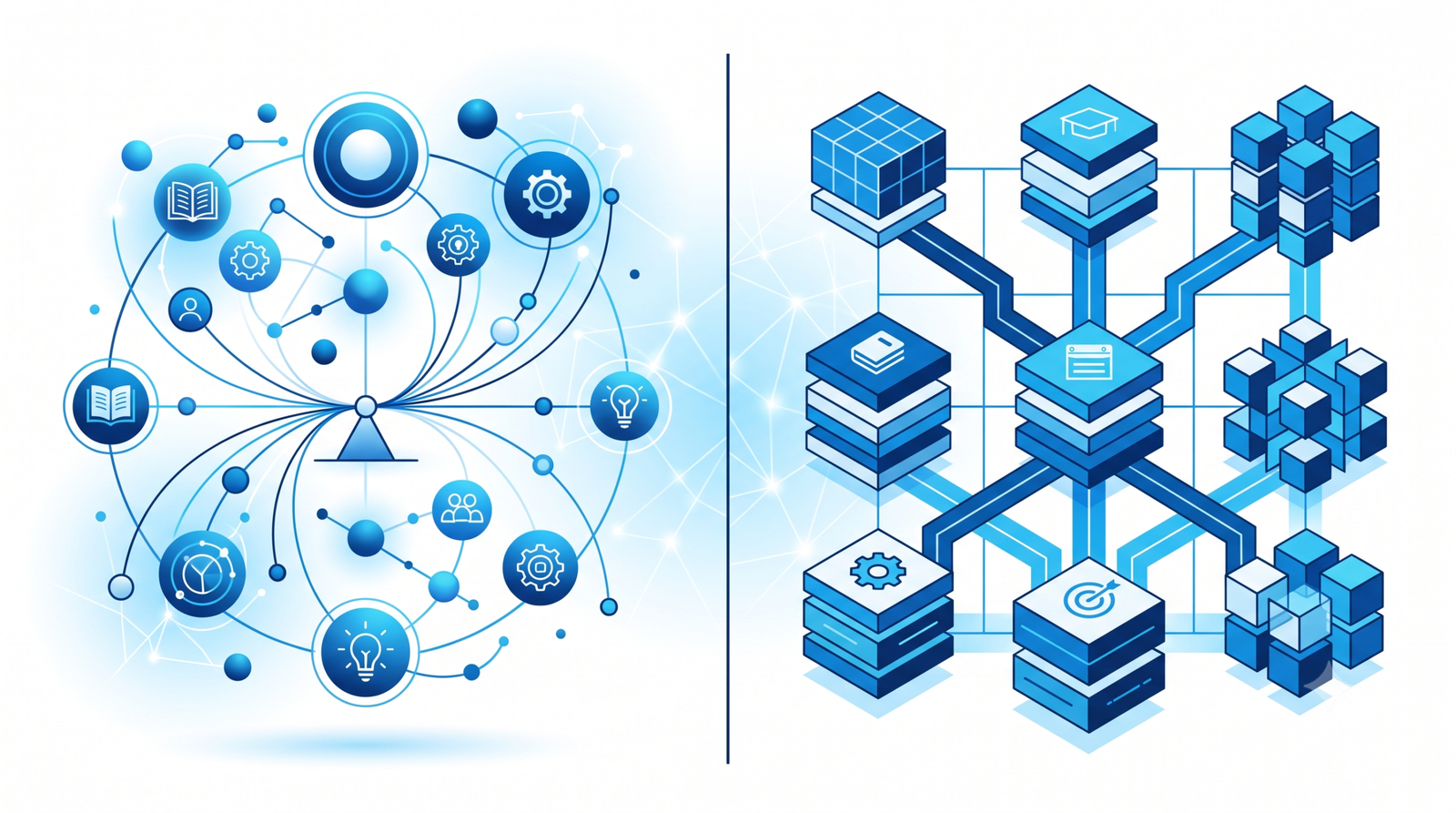
A common pitfall for early-stage EdTech startups and growing education networks is conflating what they teach with how they build it. Founders often invest heavily in video production, interactive quizzes, and slick app interfaces, only to realize their product isn't actually driving measurable learning outcomes.
The root cause? A fundamental misunderstanding of the difference between Curriculum Design and Content Planning. While they are deeply connected, they serve entirely different functions in the development of educational solutions.
The Short Answer
Curriculum Design is the strategic, architectural framework of the educational experience. It defines the educational objectives, the pedagogy, and how success is measured. Content Planning is the tactical execution; it is the process of deciding what specific learning solutions (videos, articles, assessments) will be created to deliver that curriculum to the user.
Simply put: Curriculum Design is the blueprint. Content Planning is the building materials.
What is Curriculum Design in EdTech?
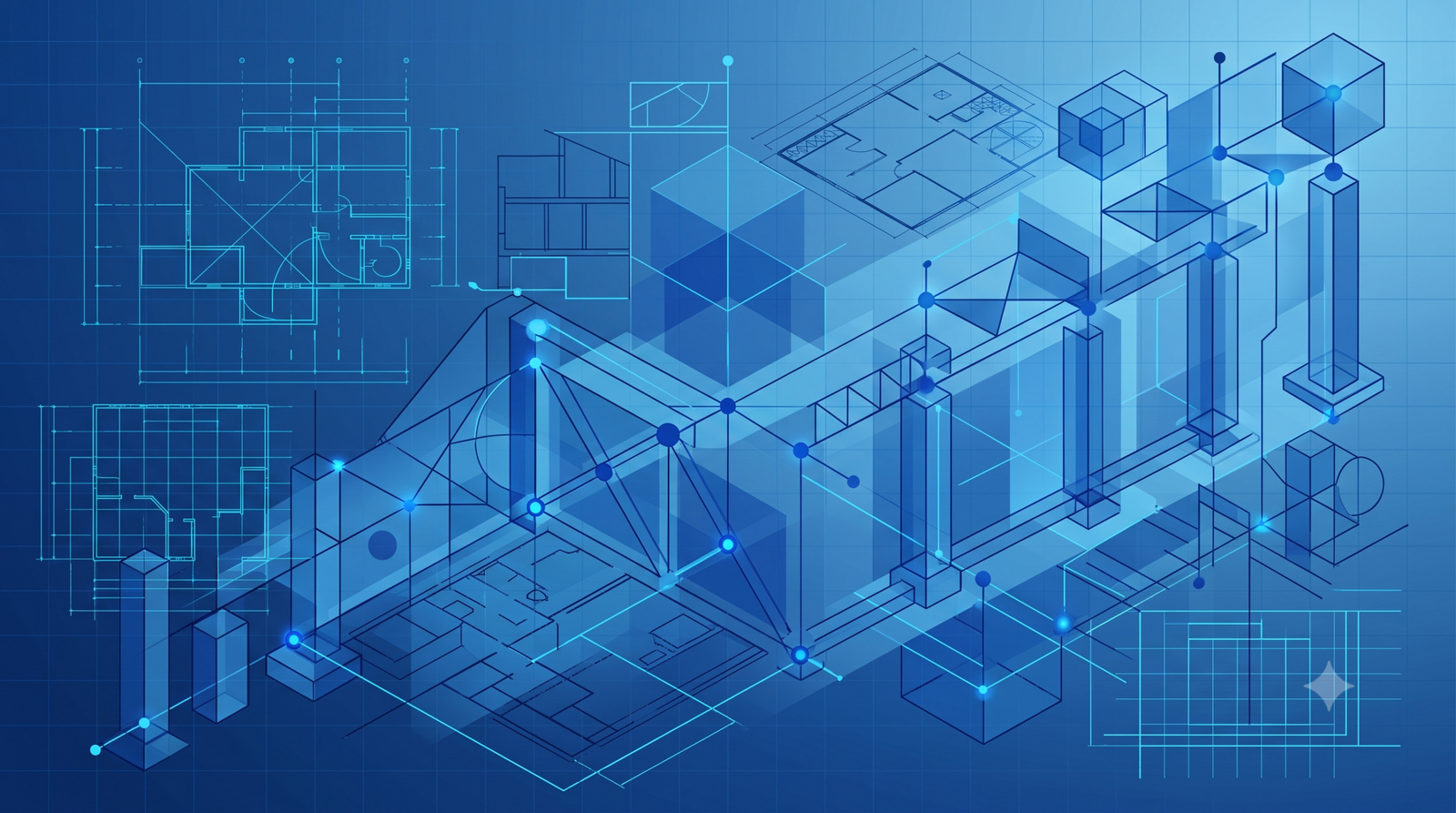
Curriculum design is the foundation of any reputable academic product. It requires educators, instructional designers, and subject matter experts to step back from the technology and focus purely on learning science.
Effective curriculum design involves developing structured academic frameworks designed around specific, measurable educational objectives. If you skip this step, your EdTech product is just a library of disconnected information.
Key Elements of Curriculum Design:
- Defining Learning Objectives: What exactly should the user know or be able to do by the end of the module?
- Pedagogical Strategy: How does the target audience learn best? (e.g., project-based learning, spaced repetition).
- Academic Frameworks: Structuring the sequence of learning so skills build upon one another logically.
- Assessment Design: How will you prove the user actually learned the material?
What is Academic Content Planning?
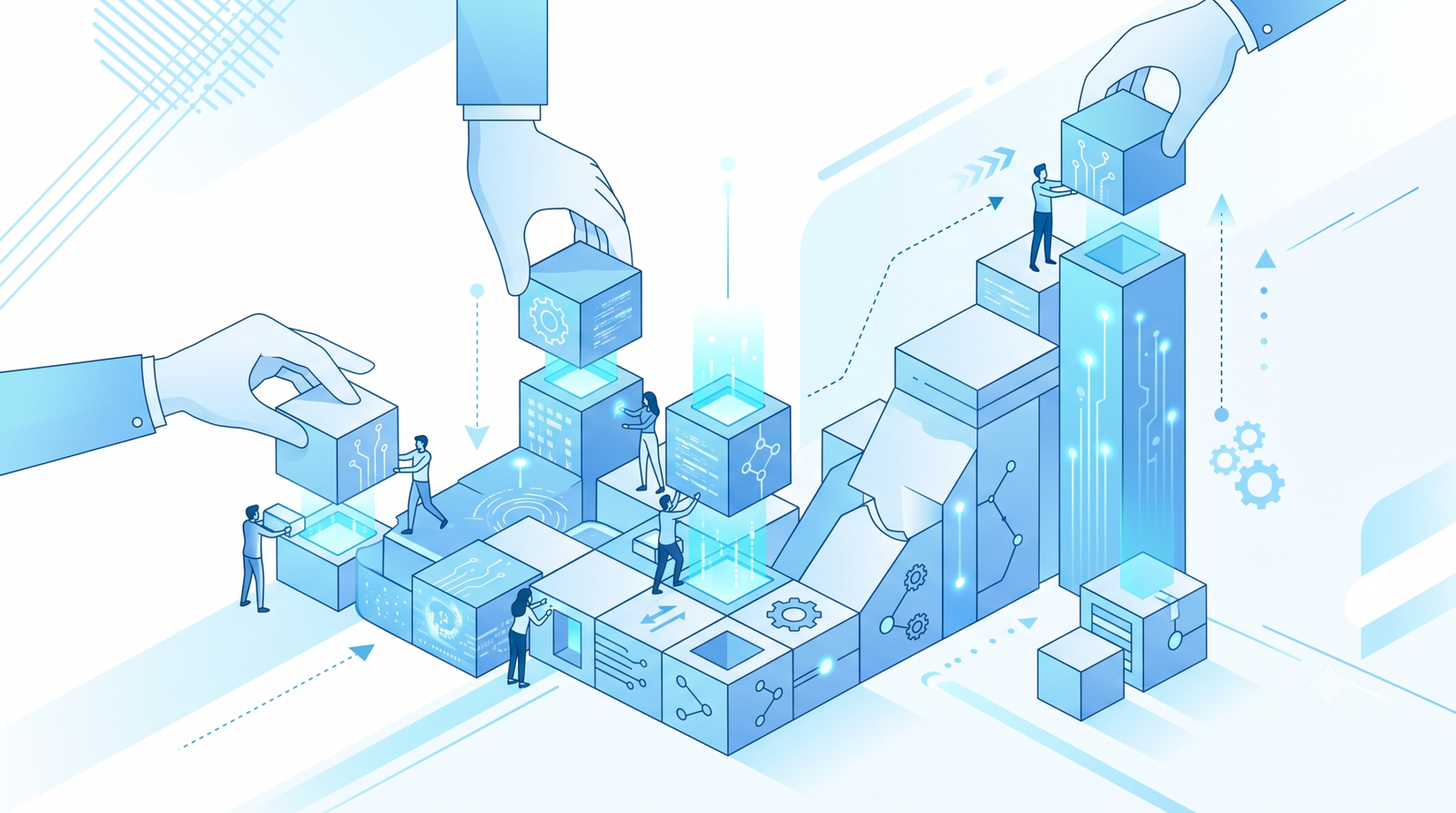
Once the blueprint is approved, you move to Content Planning. This is where media teams, copywriters, and developers enter the process. Content planning looks at the curriculum's requirements and maps out the tangible assets needed to teach it effectively.
This phase is highly operational. It focuses on budget, timelines, media formats, and the capabilities of your learning platform.
Key Elements of Content Planning:
- Asset Mapping: Deciding if a specific learning objective is best taught via a 5-minute video, an interactive graphic, or a long-form article.
- Learning Solutions Development: The actual scripting, filming, and coding of the educational materials.
- Content Structuring: Organizing the digital files, metadata, and tags within your LMS (Learning Management System).
- Production Timelines: Managing the workflow of subject matter experts and content creators.
Why You Need Both to Scale Your Educational Business
Without Curriculum Design...
Your Content Planning will result in high-quality videos that don't teach anything useful. Users will consume your content but fail to achieve their goals, leading to high churn rates, poor reviews, and an inability to prove your product's efficacy to B2B buyers or investors.
Without Content Planning...
Your brilliant Curriculum Design will remain an abstract spreadsheet. Without a structured plan to produce the actual learning solutions, you will face production bottlenecks, inconsistent quality, and delayed product launches.
To build a stronger education business, leadership must establish processes that respect both disciplines. The instructional designers (the architects) must work in tandem with the content creators (the builders) to ensure the final product is both academically rigorous and engaging to consume.
Need Help Structuring Your Academic Product?
BRQ Kaizen helps EdTech companies and education organizations develop structured academic frameworks and robust content planning strategies to ensure measurable learning outcomes.
Explore Academic Solutions